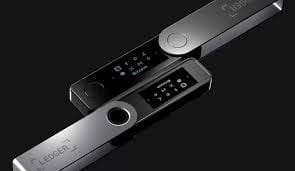
Understanding Ledger.com/start: The First Step in Protecting Your Cryptocurrency
In the world of cryptocurrency, securing your digital assets is just as important as owning them. Unlike traditional financial instruments, cryptocurrencies are entirely digital, and the responsibility for keeping them safe ultimately falls on the user. One of the most widely used tools designed to help individuals protect their digital holdings is the Ledger hardware wallet. Ledger devices are physical hardware wallets that provide offline storage for private keys and cryptographic assets. However, owning the device is only part of the process — correctly setting it up is equally crucial. That’s where Ledger.com/start comes into play. (setup-ledger.pages.dev)
Ledger.com/start is the official onboarding and setup portal provided by Ledger, the company behind some of the most trusted hardware wallets available on the market. This page serves as the central destination for anyone who has just purchased a Ledger device or plans to reinstall or update their device software. The primary purpose of this portal is to simplify the initial setup while guiding users through the steps required to secure their device properly and manage their cryptocurrencies safely and confidently. (info-ledgercom-strt.pages.dev)
What Ledger.com/start Is Designed To Do
The core function of Ledger.com/start is to help users set up their hardware wallet with minimal errors and maximum security. Because the setup involves sensitive steps — such as generating a recovery phrase and creating a PIN — following a secure and verified guide is essential. The official onboarding guide breaks down these steps into clear, manageable stages so that both beginners and experienced users can complete the setup without confusion. (com-strt-ledgor-us.pages.dev)
The setup portal also emphasizes security best practices, which are crucial given the high risk of phishing attacks and fake software. Many malicious actors create counterfeit guides or fake Ledger software downloads to trick unsuspecting users into revealing their private keys or recovery phrases. By directing users to the official Ledger.com/start, Ledger ensures that users avoid these pitfalls and obtain software directly from trusted and verified sources. (en-ledger-faq-start)
Step-by-Step Walkthrough of the Setup Process
The onboarding experience at Ledger.com/start is structured as a sequence of logical steps that guide users through the initial configuration of their device and software. Although the exact layout and wording can vary slightly, the fundamental elements of the process remain consistent across official guides. (Ledger Hardware Wallet Setup Guide)
1. Unboxing and Inspecting Your Ledger Device
The first step is to unbox your Ledger hardware wallet. Whether you have the Ledger Nano S, Nano X, Nano S Plus, or Ledger Stax, ensure that the packaging is sealed and has not been tampered with. A sealed package is an essential first check because a compromised or previously opened device could indicate that someone has interfered with your wallet. Always verify authenticity before proceeding. (Ledger Start® Setup Guide)
Ledger hardware wallets come with several components in the box, including the device itself, a USB cable for connection, a recovery phrase card sheet for writing down your backup phrase, and a quick-start guide. Taking a moment to familiarize yourself with these items makes the setup flow smoother. (Ledger Start® Setup Guide)
2. Visiting Ledger.com/start
After confirming the device’s authenticity, the next fundamental step is opening your web browser and navigating to Ledger.com/start. It’s critical to type the address manually into your browser or use a trusted bookmark rather than clicking links from social media posts, messages, or unverified sources. This reduces the risk of landing on a phishing or imitation site. (ghdfghdfg)
Once on the official onboarding portal, users are typically asked to choose their specific device model. This ensures the instructions and downloads provided are tailored to the hardware you own. Choosing the correct device is necessary because software and connection steps can vary slightly between models. (info-ledgercom-strt.pages.dev)
3. Downloading Ledger Live
One of the most important components of the setup process is installing Ledger Live, Ledger’s official companion application. Ledger Live is available for desktop and mobile platforms including Windows, macOS, Linux, iOS, and Android. It serves as the interface through which you manage your wallet, track balances, send and receive transactions, and install additional cryptocurrency apps for your device. (ledger-comstartweb.framer.ai)
Ledger.com/start provides verified download links for Ledger Live so users don’t accidentally obtain unofficial or malicious software. Always download Ledger Live from this official source. After downloading the correct version, install it on your device and launch the application. (ledger-comstartweb.framer.ai)
4. Initializing Your Ledger Device
With Ledger Live installed, you’ll be ready to begin setting up your Ledger hardware. Connect your Ledger device to your computer or mobile device using the provided cable or Bluetooth (if your model supports it). Ledger Live will detect the device and guide you through the setup. (info-ledgercom-strt.pages.dev)
One of the first steps is choosing whether to set up a new wallet or restore an existing one using a previously generated recovery phrase. If your device is brand new, you should select the new setup option. The device will prompt you to create a secure PIN code, which protects the hardware from unauthorized access. (Ledger Hardware Wallet Setup Guide)
5. Creating a Recovery Phrase
After setting your PIN, the device will generate a 24-word recovery phrase. This phrase is essentially the master key to your cryptocurrency holdings. It allows you to recover your funds if you lose or damage the Ledger device. The official guidance emphasizes that users must write down this recovery phrase on paper or other secure physical storage — and never store it digitally or share it with anyone. Anyone who knows your recovery phrase can access your funds. (Ledger Hardware Wallet Setup Guide)
6. Adding Accounts and Using Your Wallet
Once your device has been initialized and Ledger Live recognizes your hardware, the application will prompt you to install specific cryptocurrency apps and add accounts. Ledger supports thousands of assets including Bitcoin, Ethereum, and many other tokens. Select the ones you want to manage, install the corresponding apps, and add accounts. (Ledger Hardware Wallet Setup Guide)
After setup is complete, you can send and receive assets directly through Ledger Live, with transaction confirmations required on the Ledger device itself. This “two-factor” approach provides additional security against malware or unauthorized remote actions. (ledger-comstartweb.framer.ai)
Why Ledger.com/start Matters
Ledger.com/start represents more than just a setup page. It is a security first guideline embedded into the early stages of your crypto journey. By centralizing all official setup instructions and software downloads, Ledger ensures users avoid common mistakes, phishing attacks, and counterfeit tools that often lead to loss of funds. (en-ledger-faq-start)
Failing to follow the official onboarding process can have serious consequences. Cryptocurrency scams and fake applications are rampant, and many fraud campaigns specifically target new users during the setup phase in hopes of capturing recovery phrases or tricking users into installing malicious software. A recent security warning highlights how fake wallet apps are used to steal seed phrases, demonstrating why it’s crucial to rely only on official channels like Ledger.com/start for your setup. (TechRadar)
In essence, Ledger.com/start is designed to be a one-stop hub that prioritizes safety, clarity, and confidence. It ensures that each user — regardless of technical background — can correctly configure their hardware wallet and gain full control of their cryptocurrency holdings.