Introduction to Ledger and the Importance of Secure Crypto Storage
In recent years, cryptocurrency has evolved from an emerging trend to a significant part of the global financial landscape. As digital currencies gain popularity, the need for secure storage solutions becomes more pressing. One of the most reliable and secure ways to store cryptocurrency is through hardware wallets. Ledger, a leading name in the cryptocurrency storage industry, offers products that ensure both safety and ease of use. In this article, we’ll explore how to get started with Ledger and the features that make it a popular choice for cryptocurrency enthusiasts.
What is Ledger?
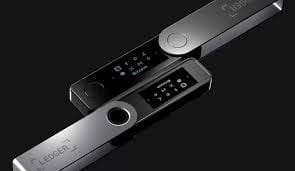
Ledger is a French company specializing in hardware wallets designed to store cryptocurrencies. Their products, such as the Ledger Nano S and Ledger Nano X, are among the most popular options in the market for securing digital assets. Ledger hardware wallets keep private keys offline, making them less vulnerable to cyberattacks and online threats. These devices support a wide range of cryptocurrencies, including Bitcoin, Ethereum, and many altcoins, making them highly versatile for users with diverse portfolios.
The Importance of Hardware Wallets
When it comes to cryptocurrency storage, security is paramount. Storing assets on exchanges or software wallets exposes them to potential risks such as hacks, data breaches, and phishing attacks. While hardware wallets may require an upfront investment, they offer an added layer of security by keeping private keys offline. This “cold storage” method is considered the most secure way to store cryptocurrencies.
Ledger’s hardware wallets are designed to ensure that only the user has access to their private keys. The device itself does not expose private keys to the internet, even during transactions. Instead, it generates and stores keys offline, only interacting with the blockchain when authorized by the user.
Getting Started with Ledger: A Step-by-Step Guide
If you're interested in securing your cryptocurrency with a Ledger wallet, here's how to get started:
1. Purchase a Ledger Device
The first step is to purchase a Ledger device. You can do this directly from the official Ledger website (Ledger.com) or through authorized resellers. It’s crucial to ensure that you’re buying from a trusted source to avoid counterfeit products. When purchasing, you’ll likely come across two primary models:
- Ledger Nano S: A more affordable option with limited storage capacity.
- Ledger Nano X: A more advanced model with Bluetooth connectivity and additional storage for more apps.
2. Unbox and Set Up Your Device
Once your Ledger wallet arrives, unbox it and follow the included instructions. The setup process typically involves:
- Connecting the Ledger device to your computer or smartphone using a USB cable or Bluetooth, depending on the model.
- Installing the Ledger Live software on your computer or mobile device. This software will allow you to manage your crypto assets, perform transactions, and securely store your keys.
- Creating a PIN code for your Ledger device to add a layer of security.
- Backing up your recovery phrase: This 24-word phrase is essential for recovering your wallet if it’s lost or damaged. Make sure to write it down and store it in a safe, offline location.
3. Install Cryptocurrency Apps
Ledger supports a variety of cryptocurrencies, but to manage them, you need to install the corresponding apps. The Ledger Live software will allow you to easily install apps for each cryptocurrency you want to store on your device. Simply search for the coin or token in the Ledger Live interface, and follow the instructions to install the app onto your Ledger device.
4. Transfer Cryptocurrency to Your Ledger Wallet
Once your Ledger wallet is set up and your apps are installed, you can begin transferring cryptocurrency to your device. In Ledger Live, select the cryptocurrency you want to transfer and use the "Receive" option to generate a receiving address. You can then use this address to transfer crypto from exchanges or other wallets into your Ledger hardware wallet.
Security Features of Ledger
One of the key selling points of Ledger devices is their robust security features. Here are some of the standout security elements:
- Private Key Isolation: The private keys that allow you to access your cryptocurrency never leave the device. They are stored securely on a secure chip, and the device never exposes them to your computer or phone.
- PIN Protection: Each device is protected by a PIN code, which ensures that only authorized users can access the wallet.
- Recovery Phrase: The 24-word recovery phrase acts as a backup for your wallet. If your device is lost or stolen, you can use this phrase to restore your wallet on a new device.
- Passphrase Option: For extra security, users can choose to set a passphrase on top of the recovery phrase, making it even harder for someone to access your funds without your explicit consent.
- Two-Factor Authentication (2FA): While not directly tied to the hardware wallet itself, Ledger Live integrates with services like Google Authenticator, allowing you to use two-factor authentication for added protection when accessing your wallet.
Benefits of Using Ledger
There are several compelling reasons why people choose Ledger for storing their cryptocurrency:
- Complete Control Over Assets: With Ledger, you are the sole custodian of your private keys. This means you have complete control over your assets, without relying on a third-party exchange or service provider.
- Wide Range of Supported Coins: Ledger supports a vast array of cryptocurrencies, including Bitcoin, Ethereum, Litecoin, and numerous altcoins. This makes it suitable for users with diverse portfolios.
- Portability: Despite being a hardware wallet, the Ledger Nano X, in particular, is highly portable. It can be connected via Bluetooth to a smartphone, allowing you to manage your assets on the go.
- User-Friendly Interface: Ledger Live is a user-friendly application that makes managing your crypto assets easy. The software provides clear instructions and notifications to guide users through the process of managing and securing their funds.
Considerations and Limitations
While Ledger wallets provide top-notch security, they are not without limitations. Here are a few things to consider:
- Initial Cost: Ledger devices come with an upfront cost, which may be a barrier for some users. However, considering the security benefits, the investment is often well worth it.
- Backup Requirements: Losing your recovery phrase means losing access to your crypto assets. It’s crucial to securely back up this information and store it offline.
- Not Ideal for Day Trading: While hardware wallets like Ledger are great for long-term storage, they are not designed for day trading. If you’re an active trader, you might prefer using a software wallet or exchange for quicker access to your funds.
Conclusion
Getting started with Ledger is a straightforward process, and it offers users a secure way to store their cryptocurrency assets. By purchasing a device, setting it up correctly, and following best practices for security, you can protect your investments from hackers and other risks. With its combination of security, ease of use, and broad cryptocurrency support, Ledger remains one of the top choices for anyone serious about securing their digital assets.