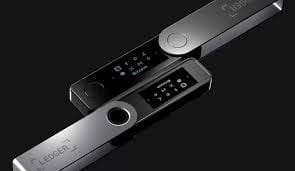
Trezor.io/start: A Comprehensive Guide to Getting Started with Your Trezor Hardware Wallet Introduction to Trezor:
Trezor is one of the most renowned names in the cryptocurrency space when it comes to securing digital assets. With the increasing use of cryptocurrencies like Bitcoin, Ethereum, and others, securing your private keys has become essential. Trezor provides hardware wallets that offer a safe, offline method of storing your crypto assets. Trezor.io/start is the official starting point for setting up your Trezor hardware wallet.
Why Choose Trezor?
- Security at its Best:
Trezor wallets are designed with top-notch security in mind. By using a hardware wallet, your private keys are kept offline and are never exposed to online threats. This makes them highly resistant to hacking and phishing attacks. - User-Friendly Interface:
Setting up a Trezor device is simple and intuitive, thanks to its well-designed user interface. The Trezor.io/start webpage guides users through each step, making the experience smooth even for beginners. - Multi-Currency Support:
Trezor devices support a wide range of cryptocurrencies beyond Bitcoin, such as Ethereum, Litecoin, and many ERC-20 tokens. This makes it a versatile solution for anyone looking to store a diverse portfolio of digital assets. - Backup and Recovery:
Trezor hardware wallets allow users to set up a backup recovery phrase, which is a set of 12 to 24 words that can restore your wallet in case of loss or damage. This ensures peace of mind knowing that you can always recover your funds.
Step-by-Step Guide to Setting Up Trezor Hardware Wallet via Trezor.io/start
Step 1: Unbox Your Trezor Device
When you first receive your Trezor hardware wallet, unbox it carefully. Inside the box, you’ll find the Trezor device, a USB cable, and instructions for setup. Ensure that the device is sealed properly to avoid tampering during shipping.
Step 2: Visit Trezor.io/start
The first thing you’ll need to do is visit the official Trezor setup website: Trezor.io/start. Always make sure you are on the official site to avoid potential phishing attacks.
Step 3: Connect Your Trezor Device
Connect your Trezor hardware wallet to your computer using the provided USB cable. The Trezor device will display a welcome screen once it is successfully connected.
Step 4: Initialize the Wallet
Once connected, follow the on-screen instructions to initialize your wallet. This typically includes setting up your PIN, which will be required every time you access your wallet.
Step 5: Create a Backup Recovery Phrase
During the setup process, you will be prompted to create a recovery seed phrase. This is a 12 to 24-word phrase that allows you to recover your wallet if the device is lost or damaged. Write this down and store it in a secure place; do not store it digitally or share it with anyone.
Step 6: Verify the Recovery Phrase
After writing down your recovery phrase, you’ll need to verify it by selecting the words in the correct order. This ensures that you have accurately noted down the backup.
Step 7: Add Cryptocurrencies to Your Trezor
Once your wallet is set up, you can begin adding cryptocurrencies. Trezor supports a range of coins and tokens, which you can manage directly from the device or through third-party apps like Trezor Suite or MyEtherWallet.
Advanced Features of Trezor Hardware Wallets
1. Passphrase Feature:
One of the advanced features that make Trezor stand out is the ability to add a passphrase for extra protection. This passphrase is an optional 50th word that can be added to your recovery seed. It adds an additional layer of security, making it harder for unauthorized users to access your funds.
2. Secure Bitcoin Storage:
If you are a Bitcoin holder, Trezor provides a secure method for storing Bitcoin. Bitcoin transactions can be signed securely on the device, ensuring your funds remain safe from external threats.
3. Trezor Suite:
Trezor Suite is a desktop application that allows you to manage your cryptocurrency assets securely. With Trezor Suite, you can send and receive cryptocurrencies, manage multiple accounts, and check your balance—all while keeping your private keys offline.
Common Troubleshooting Tips
- Device Not Connecting:
If your Trezor device is not being recognized by your computer, try using a different USB port or cable. Ensure that the USB drivers are installed correctly on your computer. - Forgotten PIN or Recovery Phrase:
If you forget your PIN or recovery phrase, don’t worry. Trezor has built-in recovery procedures, but you will need to have your recovery seed phrase to restore your wallet. - Device Stuck on Boot Screen:
If your device is stuck on the boot screen, try resetting it by holding down both buttons for 10 seconds to force a reboot. If the issue persists, consult the Trezor support website.
Security Best Practices
- Store Your Recovery Phrase Securely:
The recovery phrase is your gateway to your funds. It’s crucial that you store it securely and never share it with anyone. Consider using a fireproof safe for extra protection. - Enable Two-Factor Authentication (2FA):
Although Trezor offers offline storage, adding 2FA to your online accounts can add an extra layer of security, especially if you use exchanges or other online platforms. - Regularly Update Firmware:
Trezor frequently releases firmware updates that include security patches. Make sure to regularly check for updates through Trezor.io/start to keep your device up-to-date.
Conclusion: Why Trezor.io/start is Your First Step to Secure Crypto Storage
By visiting Trezor.io/start, you are taking the first step toward securing your digital assets. With its user-friendly setup process, robust security features, and wide cryptocurrency support, Trezor is a trusted solution for storing your crypto holdings. Remember to follow best security practices, including securely backing up your recovery phrase and enabling advanced features like passphrases for additional protection.
Trezor offers not just a hardware wallet, but a comprehensive ecosystem that helps you manage your crypto assets safely and confidently. Whether you are new to cryptocurrency or a seasoned investor, Trezor provides the tools and security you need to protect your investments for the long term.
This breakdown, if applied with different fonts and styles, can help to deliver a clean and informative experience for readers. To use it effectively:
- For a Professional Look: Use a sleek sans-serif font like Helvetica or Arial for the body text.
- For Emphasis or Titles: Try Times New Roman, Georgia, or Roboto Slab for headings to give a distinguished, formal feel.
- For Visual Appeal: You might also incorporate bold or italics for key points, and consider adjusting spacing or using colored headers for better readability.