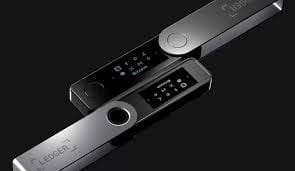
Getting Started with Ledger: Your Comprehensive Guide
In the ever-evolving world of cryptocurrency, one of the most important considerations is the security of your digital assets. With the rise of online threats, ensuring that your private keys and coins are stored safely has become a top priority for crypto enthusiasts. One of the best ways to secure your cryptocurrency holdings is by using a hardware wallet, and Ledger is a prominent name in this space.
If you are new to cryptocurrency or have recently purchased a Ledger wallet, you may find the setup process a bit overwhelming. However, setting up a Ledger wallet is a straightforward process once you understand the necessary steps. This guide will walk you through the process of getting started with Ledger, from the basics of creating an account to ensuring your wallet is secure.
What Is Ledger?
Before diving into the setup process, it’s important to understand what Ledger is and why it is a trusted solution for securing cryptocurrency.
Ledger is a hardware wallet that allows you to store your cryptocurrency in an offline, physical device. Unlike software wallets that are connected to the internet, a hardware wallet like Ledger provides an added layer of security by storing your private keys offline, making it significantly harder for hackers to steal your assets.
Ledger offers two popular products: the Ledger Nano S and Ledger Nano X. Both are designed to securely store private keys for various cryptocurrencies, including Bitcoin, Ethereum, and hundreds of others.
Why Choose Ledger?
The primary reason people choose Ledger is security. As a hardware wallet, it is resistant to phishing attacks, malware, and other online threats that can compromise software wallets. Ledger also provides several layers of security to ensure that your private keys are kept safe, including a PIN code, recovery phrase, and two-factor authentication.
Besides security, Ledger offers ease of use. The setup process is simple and can be completed in a few minutes. Ledger also supports a wide range of cryptocurrencies, making it a versatile choice for anyone holding multiple digital assets.
Step-by-Step Guide to Setting Up Ledger
Step 1: Unbox Your Ledger Device
When you first purchase a Ledger wallet, you will receive the device itself, along with a USB cable, a recovery sheet, and a user manual. It’s important to keep the recovery sheet safe and secure, as it contains the 24-word recovery phrase that can be used to restore your wallet if the device is lost, damaged, or stolen.
Step 2: Install Ledger Live
To interact with your Ledger device, you will need to install Ledger Live, the official software provided by Ledger. Ledger Live is available for Windows, macOS, and Linux computers, as well as mobile devices (iOS and Android). You can download Ledger Live from the official Ledger website at Ledger.com/start.
Once you have downloaded and installed Ledger Live, launch the application and follow the on-screen instructions to connect your Ledger device via USB.
Step 3: Set Up Your Ledger Device
After connecting your Ledger device to your computer, the setup process will begin. The device will prompt you to choose a PIN code. This PIN is essential for protecting your device, so choose something secure and memorable. Make sure to store the PIN safely and never share it with anyone.
Next, the device will display your 24-word recovery phrase. Write this phrase down on the provided recovery sheet and store it in a secure location. This recovery phrase is critical, as it is the only way to restore your wallet if anything happens to your device.
Step 4: Install Cryptocurrency Apps
Once your Ledger device is set up, you will need to install cryptocurrency apps for the coins and tokens you plan to store on your wallet. Ledger Live provides an easy way to do this. Simply open the Manager section in Ledger Live, select the apps you want to install, and follow the instructions on the screen.
Ledger supports a wide variety of cryptocurrencies, including Bitcoin, Ethereum, XRP, Litecoin, and many others. You can install apps for each coin you wish to use, and they will be stored directly on your Ledger device.
Step 5: Add Accounts to Ledger Live
After installing the necessary cryptocurrency apps, you can add accounts to Ledger Live. Each account represents a different cryptocurrency or token that you can manage through your Ledger device. To add an account, simply open the Accounts tab in Ledger Live, select the app for the cryptocurrency you want to add, and follow the prompts.
Once your accounts are set up, you can begin transferring cryptocurrencies into your Ledger wallet for safe storage.
Using Ledger Live to Manage Your Cryptocurrency
Ledger Live isn’t just for setting up your device; it also allows you to manage your cryptocurrency portfolio. With Ledger Live, you can:
- Send and Receive Crypto: Easily send and receive various cryptocurrencies using your Ledger wallet.
- Check Balances: View the balances of all the cryptocurrencies stored on your device.
- Buy and Sell Crypto: Ledger Live integrates with third-party services that allow you to buy and sell cryptocurrencies directly from the app.
- Access Multiple Devices: If you have multiple Ledger devices, you can manage them all through Ledger Live.
Best Practices for Keeping Your Ledger Secure
While Ledger devices provide robust security features, it’s important to follow best practices to ensure your wallet remains secure:
- Never share your recovery phrase: The recovery phrase is the key to accessing your wallet. If someone else gains access to it, they can steal your funds.
- Store your recovery phrase securely: Write it down and keep it in a safe place, such as a safe deposit box. Avoid storing it digitally or online, as it could be hacked.
- Use a strong PIN: Choose a complex and unique PIN code for added security.
- Regularly update Ledger Live: Make sure you are using the latest version of Ledger Live, as updates often include important security patches.
Troubleshooting Common Issues
If you encounter any issues during the setup or use of your Ledger device, Ledger offers a comprehensive support section on their website. You can also contact Ledger’s customer service for assistance.
Some common issues include problems with connectivity, difficulties installing apps, or issues with Ledger Live not recognizing your device. These can typically be resolved by checking your device's firmware version, restarting Ledger Live, or ensuring that your device is properly connected.
Conclusion
Getting started with Ledger is an excellent choice for anyone serious about securing their cryptocurrency. By following the steps outlined in this guide, you can quickly set up your Ledger device and begin securely storing your digital assets. With features like a secure PIN, recovery phrase, and support for a wide range of cryptocurrencies, Ledger provides peace of mind for cryptocurrency users.