Understanding Ledger and the Importance of Setting Up Your Ledger Device
In today’s digital age, protecting your cryptocurrency assets has never been more critical. As the world becomes increasingly reliant on digital transactions, the importance of securing digital assets is a major concern for cryptocurrency holders. Ledger is one of the most trusted names in crypto security, providing users with hardware wallets that safeguard their private keys offline, ensuring that their cryptocurrency remains safe from hackers and online threats.
One of the most crucial steps in using a Ledger device is properly setting it up. This process ensures that your cryptocurrency holdings are secure and that you can easily manage your assets across various platforms. Whether you're a beginner or an experienced user, understanding how to set up your Ledger wallet is essential for maintaining the security of your digital assets.
What is Ledger?
Before diving into the setup process, it's essential to understand what Ledger is and why it’s a popular choice for cryptocurrency storage.
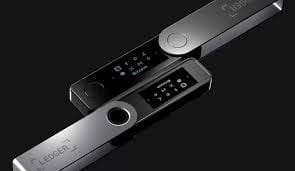
Ledger is a French company that specializes in providing hardware wallets for the safe storage of cryptocurrency private keys. The Ledger hardware wallets, including the Ledger Nano S and Ledger Nano X, store your private keys offline, making it virtually impossible for hackers to steal your cryptocurrency via online attacks.
A hardware wallet is often considered the most secure way to store cryptocurrency. While online wallets (also known as software wallets) store your keys on your computer or phone, hardware wallets like Ledger’s devices store your keys in a physical device, providing an extra layer of protection against potential threats such as malware, phishing attacks, and hacking attempts.
Why Set Up Your Ledger Device?
Setting up your Ledger device is the first and most important step in securing your cryptocurrency holdings. The setup process involves initializing the device, generating your recovery phrase, and installing the Ledger Live software to manage your crypto assets. Once set up, you can safely store, send, and receive various cryptocurrencies such as Bitcoin, Ethereum, and many others without fear of compromising your security.
The Step-by-Step Process to Set Up Ledger
Let’s go through the process of setting up your Ledger device.
1. Unbox and Prepare Your Ledger Device
When you purchase a Ledger device, it will come with the hardware wallet itself, a USB cable, a recovery sheet (for writing down your recovery phrase), and some instructions. Begin by unpacking everything carefully and checking that all components are present.
2. Connect the Ledger Device to Your Computer
The next step is to connect your Ledger hardware wallet to your computer or mobile device using the provided USB cable. You will need to download the Ledger Live app on your computer or mobile device if you haven’t done so already. The app is the software interface that allows you to manage your cryptocurrency portfolio securely.
To download the Ledger Live app, visit the official Ledger website and ensure you’re downloading the software from a trusted source. This ensures that you are using the official Ledger software and not an imposter that could compromise your security.
3. Initialize the Ledger Device
Once you’ve connected your Ledger device to your computer, the first step in the setup process will be to initialize the device. The screen on the Ledger wallet will prompt you to choose your preferred language and to begin the initialization process. During this step, you will be asked to generate a recovery phrase, which is a critical part of the setup.
4. Create Your Recovery Phrase
The recovery phrase is a series of 24 words that act as a backup for your Ledger wallet. This recovery phrase is the only way to recover your cryptocurrency in the event your device is lost, stolen, or damaged. Keep it safe and secure—do not store it online or share it with anyone.
During the setup process, you will be asked to write down your 24-word recovery phrase on the provided recovery sheet. Once you’ve written it down, you’ll need to confirm the phrase by selecting the words in the correct order on the device. This step ensures you have recorded the recovery phrase correctly.
5. Set a PIN Code for Your Ledger Device
After confirming your recovery phrase, you will be prompted to set a PIN code for your Ledger device. The PIN adds an additional layer of security by preventing unauthorized access to your device. Choose a PIN that is unique and hard to guess, but one that you can remember. The Ledger device will ask you to confirm the PIN code by entering it twice.
6. Install Ledger Live and Add Cryptocurrencies
Once the device is initialized, you can open the Ledger Live app on your computer or mobile device. Through Ledger Live, you can install apps for different cryptocurrencies (Bitcoin, Ethereum, etc.) on your Ledger device. You can also use Ledger Live to send, receive, and manage your cryptocurrency assets securely.
To add a cryptocurrency app, simply select the desired coin from the Ledger Live interface and follow the prompts to install the app on your Ledger device. The process is quick and straightforward.
7. Transfer Cryptocurrencies to Your Ledger Wallet
Once your Ledger device is set up and ready to go, the final step is to transfer your cryptocurrencies to your wallet. To do this, you will need to get your Ledger wallet’s receiving address for the specific cryptocurrency you wish to transfer. You can find the receiving address by selecting the corresponding cryptocurrency app in Ledger Live and clicking on “Receive.”
Once you have the address, you can transfer cryptocurrency from your exchange or another wallet to your Ledger device by sending it to the receiving address. Ensure that you are using the correct address for each cryptocurrency to avoid mistakes.
Best Practices for Securing Your Ledger Device
Once you’ve set up your Ledger device, there are several best practices you should follow to ensure your cryptocurrency remains secure:
- Backup Your Recovery Phrase: As mentioned earlier, your recovery phrase is critical. Store it in a secure place, separate from the Ledger device itself. Consider using a fireproof safe or a secure vault for storage.
- Enable Two-Factor Authentication (2FA): If you are managing your crypto assets using services like exchanges or wallets in addition to Ledger, enable two-factor authentication (2FA) for an added layer of security.
- Keep Your Device Updated: Regularly update the Ledger firmware and Ledger Live app to ensure you’re always using the latest security patches.
- Be Wary of Phishing Scams: Never give out your recovery phrase or PIN to anyone. Be cautious of phishing scams that may try to trick you into revealing your private information.
Conclusion
Setting up your Ledger device properly is essential for securing your digital assets. By following the steps outlined above and practicing good security habits, you can ensure that your cryptocurrency is well protected. Ledger’s hardware wallets are a fantastic way to store your crypto, offering security and peace of mind in an increasingly digital world.
By taking the time to learn about Ledger and following the setup instructions carefully, you’re making a smart decision to safeguard your crypto holdings for the long term. Stay vigilant and keep your assets secure!