Understanding "Ledger.com/start": A Comprehensive Guide
In today’s digital age, security is a paramount concern, especially when it comes to cryptocurrencies. As more individuals and institutions delve into the world of digital assets, safeguarding those assets becomes crucial. One of the most reliable ways to ensure the security of your cryptocurrency holdings is through the use of a hardware wallet. Ledger, a prominent name in the world of cryptocurrency security, offers users an effective solution to protect their digital assets. The website “Ledger.com/start” serves as the gateway to getting started with Ledger hardware wallets. This article will take a closer look at the steps involved in setting up a Ledger wallet, its key features, and why it’s considered one of the best options for cryptocurrency storage.
What is a Ledger Wallet?
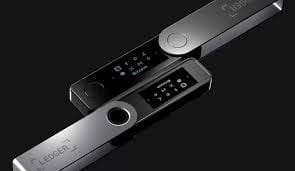
A Ledger wallet is a hardware wallet designed to store and protect cryptocurrencies. Unlike online or software wallets, which are vulnerable to hacking, phishing, and other online threats, Ledger hardware wallets store your cryptocurrency keys offline. This significantly reduces the risk of cyber-attacks and ensures that your assets are safe, even if your computer or smartphone is compromised.
Ledger wallets come in two main models: the Ledger Nano S and the Ledger Nano X. Both devices are designed to support a wide range of cryptocurrencies, including Bitcoin, Ethereum, and many others. The key difference between the two models lies in their connectivity options. The Nano S connects via USB, while the Nano X offers Bluetooth functionality, allowing users to connect it to their smartphones and manage their assets on the go.
Getting Started with Ledger
When you visit Ledger.com/start, you’re greeted with the first step of the journey: setting up your hardware wallet. Let’s break down the process of getting started with a Ledger device.
Step 1: Purchase the Ledger Device
The first step in using a Ledger wallet is purchasing the device. The Ledger Nano S and Ledger Nano X can be bought directly from the official Ledger website. It’s important to ensure that you’re buying from the official site or an authorized retailer to avoid counterfeit products.
Once you’ve purchased your device, it will arrive in a secure, tamper-evident package, which adds an extra layer of security.
Step 2: Unbox and Initialize Your Ledger Wallet
After receiving your Ledger wallet, you’ll need to unbox it and prepare it for initialization. The device typically comes with a USB cable (for the Nano S), a recovery sheet, and user instructions. Follow the instructions to connect the device to your computer.
When you connect the device for the first time, the wallet will display a series of instructions on how to set it up. The initialization process is straightforward and includes setting up a PIN code for security and writing down a 24-word recovery phrase. This recovery phrase is critical because it acts as the backup for your wallet. If the device is ever lost, damaged, or stolen, you can use the recovery phrase to restore access to your cryptocurrencies.
Step 3: Install Ledger Live
Once your Ledger device is initialized, you’ll need to install the Ledger Live app. This application is the software that will allow you to interact with your hardware wallet, manage your cryptocurrency, and perform operations such as sending and receiving coins.
Ledger Live is available for Windows, Mac, Linux, and mobile devices. After installing the app, you will be prompted to connect your Ledger device. Once connected, the app will automatically detect the device, and you can begin managing your assets.
Step 4: Set Up Accounts and Add Cryptocurrencies
Once Ledger Live is set up, you can create cryptocurrency accounts. Ledger supports a wide range of cryptocurrencies, including Bitcoin, Ethereum, Litecoin, and many others. To add a cryptocurrency account, you simply need to search for it within the Ledger Live app and follow the on-screen instructions.
It’s worth noting that Ledger wallets don’t store the actual cryptocurrencies. Instead, they store the private keys that allow you to access and control your assets on the blockchain. The Ledger device is your secure key to accessing your cryptocurrency holdings, whether they are stored on exchanges, in wallets, or in smart contracts.
Key Features of Ledger Wallets
Ledger wallets come with several features that make them a top choice for securing digital assets. Here are some of the key benefits:
1. Top-Notch Security
The primary reason why users choose Ledger wallets is for their high level of security. Ledger hardware wallets use secure chip technology to protect your private keys, ensuring that they never leave the device. Even if your computer or mobile phone is compromised, your private keys are safely stored offline, making it almost impossible for hackers to access your funds.
2. Multi-Currency Support
Ledger supports more than 1,800 cryptocurrencies, including popular assets like Bitcoin, Ethereum, and Binance Coin. This broad support allows users to store a wide variety of digital assets on a single device, making it a versatile option for cryptocurrency holders.
3. Backup and Recovery
As mentioned earlier, Ledger provides a 24-word recovery phrase when you initialize your wallet. This recovery phrase is your backup in case your device is lost, stolen, or damaged. By storing the recovery phrase securely (preferably offline), you can easily recover your assets on a new device.
4. User-Friendly Interface
Ledger Live, the companion app for Ledger wallets, offers an intuitive and easy-to-use interface for managing your cryptocurrencies. Whether you're sending or receiving digital assets, checking your portfolio, or making backups, Ledger Live provides a seamless experience for both beginners and experienced users.
5. Constant Software Updates
Ledger is committed to keeping your wallet secure by offering regular firmware updates. These updates improve the functionality of the wallet and address any potential security vulnerabilities, ensuring that your device stays secure and up-to-date.
6. Advanced Features
For advanced users, Ledger also offers features such as Ethereum dApp support, staking, and cryptocurrency exchange integration. These features allow users to interact with decentralized applications and earn rewards by participating in staking programs.
Why Use Ledger?
While there are many ways to store cryptocurrency, hardware wallets like Ledger stand out because they offer unmatched security. Software wallets and exchange wallets are more vulnerable to hacks, malware, and phishing attacks. Since Ledger wallets store your private keys offline, they are less susceptible to these risks.
Another advantage of using Ledger is the ability to maintain full control over your private keys. With centralized exchanges, users don’t control their private keys, making their funds susceptible to exchange hacks. With Ledger, you have full control over your assets, adding a layer of autonomy to your cryptocurrency management.
Conclusion
The process outlined on Ledger.com/start is designed to make setting up and securing your cryptocurrency as simple as possible. By using a Ledger hardware wallet, you’re taking an important step in safeguarding your digital assets. Whether you’re a beginner or an experienced crypto enthusiast, Ledger offers the security, ease of use, and versatility needed to manage your cryptocurrency holdings with confidence. Investing in a Ledger wallet is a smart choice for anyone serious about protecting their digital wealth.