Ledger.com/start: A Comprehensive Guide to Getting Started with Your Ledger Device
In the ever-evolving world of cryptocurrencies, security is paramount. As individuals and institutions continue to embrace digital assets, the need to safeguard them grows increasingly critical. This is where Ledger, a global leader in cryptocurrency hardware wallets, steps in. If you're new to Ledger or cryptocurrency in general, you might be wondering how to start using the device. The platform offers a streamlined process to help you secure your digital assets and ensure they remain safe from online threats.
This guide will walk you through everything you need to know about getting started with your Ledger device, specifically focusing on the initial setup process available at Ledger.com/start.
1. What is Ledger?
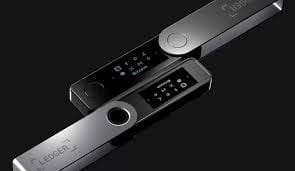
Ledger is a French-based company that manufactures hardware wallets designed to store cryptocurrencies securely. Unlike software wallets, which are susceptible to hacking and other online vulnerabilities, Ledger hardware wallets are offline, making them significantly safer. The two primary products offered by Ledger are:
- Ledger Nano S: A more affordable model suitable for those just starting out in the crypto world.
- Ledger Nano X: A more advanced model with Bluetooth connectivity, allowing you to manage your crypto assets via mobile devices.
Each wallet is designed to be user-friendly while ensuring your assets are stored in an environment that is resistant to hacking attempts and malware.
2. Ledger.com/start: The Setup Process
When you first purchase a Ledger device, the official setup process is critical. It is essential to follow the instructions carefully to ensure that your device is configured correctly and your assets are protected. You can begin the setup process by visiting Ledger.com/start.
Step 1: Unboxing and Initial Setup
The first step involves unboxing your Ledger device. Inside the box, you’ll find the Ledger hardware wallet, a USB cable, a recovery sheet, and other essential documents. Before proceeding with any digital setup, it is crucial to ensure that your device hasn’t been tampered with. Make sure the security seal is intact.
Step 2: Installing Ledger Live
Once your device is ready, the next step is to install Ledger Live, which is the official companion software for your Ledger device. You can download it from the Ledger.com/start website, which will redirect you to the appropriate version for your operating system (Windows, macOS, or Linux).
Ledger Live is a desktop application that allows you to manage your Ledger device and interact with the cryptocurrencies you store on it. You’ll use this software to update your device firmware, install apps, manage your portfolio, and perform various functions related to your crypto assets.
Step 3: Setting Up the Ledger Device
When you open the Ledger Live application, it will prompt you to connect your Ledger hardware wallet to your computer via the provided USB cable. Follow the on-screen instructions to complete the device setup. During this process, you will be asked to choose a PIN code for the device. Make sure to select a PIN that is strong and memorable, as it will be used to access your wallet on the Ledger device.
3. Generating a Recovery Phrase
One of the most important steps in setting up your Ledger wallet is generating a recovery phrase. This 24-word phrase is a backup key to your cryptocurrency assets, allowing you to recover your funds if your Ledger device is lost, stolen, or damaged.
After setting your PIN, the device will generate the recovery phrase. It is crucial to write this phrase down on the provided recovery sheet (or another secure medium) and store it in a safe place, separate from your Ledger device. This phrase should never be shared with anyone. If someone else gains access to your recovery phrase, they could potentially access your crypto holdings.
Important Tip: Do not store your recovery phrase digitally or online, as this could expose it to hackers.
4. Installing Cryptocurrency Apps
Once the recovery phrase is secured, you can begin installing cryptocurrency apps onto your Ledger device. Ledger hardware wallets support a wide range of cryptocurrencies, including Bitcoin, Ethereum, and many others.
To install apps, return to Ledger Live and follow these steps:
- Click on the Manager tab in Ledger Live.
- Browse through the list of available cryptocurrency apps.
- Select the apps you want to install on your device and click the “Install” button.
Depending on the size of the app and the available space on your Ledger wallet, you may need to uninstall and reinstall apps to manage multiple cryptocurrencies.
5. Transferring Cryptocurrencies to Your Ledger Device
Once your Ledger device is set up and apps are installed, the next step is transferring your cryptocurrency holdings to the device. You can do this by using the Receive feature in Ledger Live.
- Open the app for the cryptocurrency you want to receive.
- Click on the Receive button, which will display your unique wallet address.
- Copy this address and use it to transfer funds from another wallet or exchange to your Ledger device.
6. Managing Your Crypto Portfolio
With the basics in place, you can begin managing your cryptocurrencies via Ledger Live. This includes checking your balance, sending transactions, and even interacting with decentralized applications (dApps).
Ledger Live also provides an overview of the market, giving you insights into the latest prices and trends for various cryptocurrencies. It also offers a portfolio feature where you can track the value of your crypto holdings in real-time.
7. Best Practices for Security
Security is at the core of Ledger’s design, but it’s important to be proactive in ensuring that your assets remain safe. Here are a few best practices for securing your crypto holdings:
- Enable Passphrase Protection: You can add an additional layer of security by enabling a passphrase. This extra step helps protect your funds even if someone has access to your recovery phrase.
- Regularly Update Firmware: Ledger frequently releases firmware updates that improve the security and functionality of your device. Be sure to check for updates regularly in Ledger Live.
- Use Strong, Unique PINs: Avoid using easily guessable PIN codes. A strong PIN provides another line of defense against unauthorized access.
8. Restoring Your Wallet
If you ever lose access to your Ledger device, you can restore your wallet using the 24-word recovery phrase you generated during setup. This allows you to recover all your assets to a new Ledger device or compatible software wallet. To restore your wallet:
- Install Ledger Live and connect your new device.
- Select the option to restore from a recovery phrase.
- Enter your 24-word phrase in the correct order.
- Follow the instructions to set up a new PIN.
Conclusion
Getting started with your Ledger wallet is a straightforward process, and Ledger.com/start provides a user-friendly interface to guide you through the setup. By taking the necessary steps to secure your recovery phrase, installing the required apps, and understanding the basic functionalities of Ledger Live, you can confidently protect your cryptocurrency assets from theft or loss.
As you continue on your cryptocurrency journey, remember that security should always be a top priority. By following best practices and staying vigilant, you can rest assured that your digital assets will be safe in the hands of your Ledger hardware wallet.