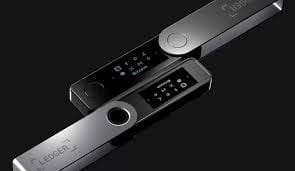
Trezor.io/start: A Comprehensive Guide to Setting Up Your Trezor Hardware Wallet
Introduction to Trezor and Hardware Wallets
Trezor, developed by SatoshiLabs, is one of the most reputable brands in the cryptocurrency security space. At its core, Trezor offers a hardware wallet designed to store cryptocurrencies offline, providing maximum security for users who want to protect their digital assets. Unlike software wallets that store private keys on internet-connected devices, a hardware wallet like Trezor keeps those keys on a physical device, isolated from potential online threats such as hackers or malware.
To begin using a Trezor hardware wallet, one needs to visit Trezor.io/start, the official starting point for setting up and configuring the device. This URL provides step-by-step guidance, resources, and support to help you get your wallet up and running. Whether you're a seasoned cryptocurrency user or a novice just starting, the Trezor setup process ensures a user-friendly experience.
Step-by-Step Guide for Setting Up Trezor via Trezor.io/start
- Unboxing Your Trezor Device
When you receive your Trezor hardware wallet, the first step is to unbox it carefully. Inside the box, you’ll find the Trezor device, a USB cable, a recovery seed card, and a user manual. The recovery seed is one of the most critical parts of the setup as it enables you to recover your funds in case the device is lost, stolen, or damaged. It’s essential to write down the seed on the card and store it in a secure location away from the device.
- Navigating to Trezor.io/start
The next step in the setup process involves going to Trezor.io/start. This is the official website where you’ll begin the process of initializing and securing your device. It’s important to ensure that you’re on the legitimate website, as phishing attacks can mimic the Trezor interface to steal your credentials. Always check that the URL begins with "https" and verify that it’s the official Trezor website.
- Connecting the Device
Once on the site, you will be prompted to connect your Trezor device to your computer or mobile device using the provided USB cable. After connecting, the device will automatically boot up, displaying the Trezor logo. You will then be guided to follow on-screen instructions to install the necessary software to interact with your wallet. Trezor offers compatibility with multiple operating systems including Windows, macOS, Linux, and mobile devices through its mobile app.
- Setting Up Your PIN
One of the first security features you’ll configure is your PIN. The PIN serves as an additional layer of protection, ensuring that even if someone gets access to your Trezor device, they won’t be able to access your funds without knowing your PIN. You’ll be asked to select a 4-9 digit PIN that will be required to confirm any transaction or access sensitive information.
- Writing Down Your Recovery Seed
Trezor will then generate a 12-24 word recovery seed. This recovery seed is your backup in case the hardware wallet is lost or damaged. You will be instructed to write down the recovery seed on the card provided in the box. This seed is the only way to restore your funds, so it’s critical to keep it safe. Never store it digitally or share it with anyone.
- Creating Your Wallet
Once your PIN and recovery seed are set up, you can proceed to create your wallet. Trezor supports a variety of cryptocurrencies, including Bitcoin, Ethereum, Litecoin, and others. You will have the option to choose the cryptocurrencies you want to manage. Trezor’s intuitive interface will guide you through adding your desired assets, ensuring that your wallet is personalized to your needs.
- Installing Trezor Bridge (Optional)
While Trezor works directly through the browser, some users may need to install Trezor Bridge, a small application that helps the wallet communicate with your device. This step is usually automatic, but in some cases, you may need to download and install it from the Trezor website.
- Backup Your Wallet Information
After setting up your wallet and ensuring your PIN and recovery seed are safely stored, the next critical step is to back up your wallet information. This includes making digital or physical copies of your recovery seed, keeping it stored in multiple locations if possible, and ensuring that it is not accessible to anyone you don’t trust.
- Adding Funds and Making Transactions
With your Trezor device securely set up, you can now begin transferring cryptocurrencies into your wallet. To do so, you will need to generate a public receiving address for each cryptocurrency you wish to deposit. Once you’ve received funds into your wallet, you can use Trezor’s interface to securely send transactions. Every time you initiate a transfer, you’ll be prompted to enter your PIN on the device, adding an additional layer of protection.
Security Considerations and Best Practices
Trezor devices are designed with security at the forefront. However, your security also depends on how well you follow best practices. Here are some tips to keep your Trezor hardware wallet safe:
- Always use a strong PIN: Avoid easily guessable PINs such as 1234 or your birth year. A longer PIN is more secure.
- Store your recovery seed securely: Don’t store your recovery seed online or share it with anyone. Write it down on paper and keep it in a secure location, such as a safe.
- Regular firmware updates: Trezor regularly releases firmware updates to patch any vulnerabilities and improve functionality. Always ensure that your device is running the latest firmware.
- Use a passphrase: For added security, Trezor allows you to use a passphrase in addition to your PIN. This creates an additional layer of encryption for your wallet.
Troubleshooting and Support
While Trezor devices are generally easy to set up, users might encounter issues along the way. Fortunately, Trezor offers extensive support through their website, with troubleshooting guides, FAQs, and customer service available. If you run into issues, make sure to check Trezor.io/start for the latest troubleshooting steps.
If your Trezor device is malfunctioning or you’ve lost your recovery seed, Trezor’s support team can guide you through the recovery process. However, they cannot help if your recovery seed is lost or compromised, which is why it’s vital to keep that information secure.
Conclusion
Setting up a Trezor hardware wallet is a simple process, especially when following the instructions at Trezor.io/start. By ensuring that you take the necessary precautions, such as backing up your recovery seed and using a strong PIN, you’ll be able to protect your digital assets from theft or loss. The Trezor hardware wallet provides a high level of security for anyone holding cryptocurrencies, and by following best practices, you can be confident that your investments are safe.
Whether you're a new user or an experienced crypto enthusiast, Trezor offers an easy-to-use and secure way to store and manage your digital assets.